Photo: Son Tung Tran / Pexels
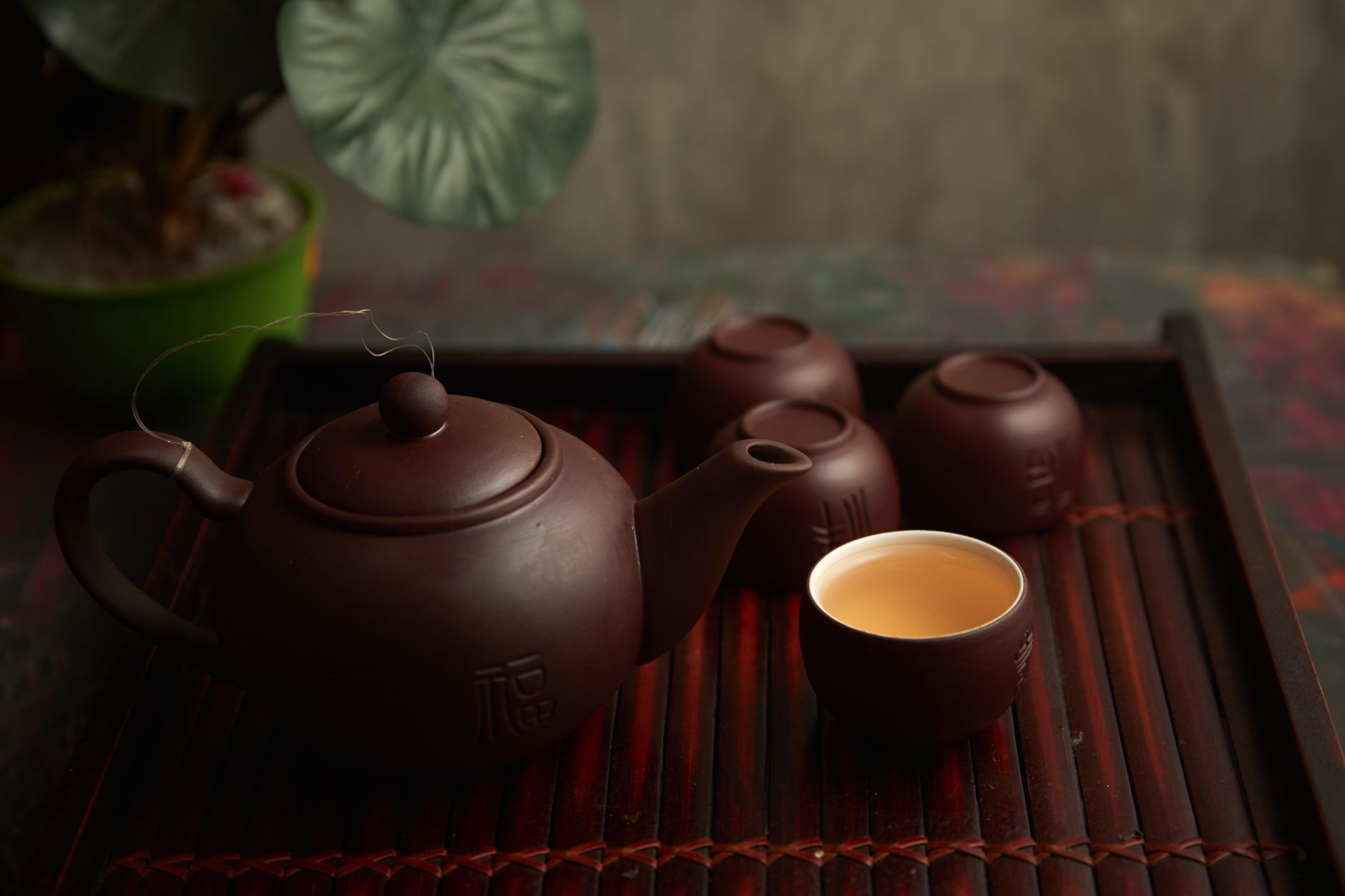
In Cambodia, serving tea is never just a gesture — it's a way of saying welcome. In homes and small restaurants across Phnom Penh alike, a steaming teapot lands on the table before you've even ordered. This quiet ritual tells a richer story than it first appears, one woven from herbal infusions, fragrant jasmine and, more recently, real plantations taking root in the country's highlands.
A tisane culture, long before the tea tree
Unlike neighbouring Vietnam or China, Cambodia never built its identity around the tea tree (Camellia sinensis) but around the tisane. Khmer communities have infused local plants for generations: lemongrass, pandan, ginger, galangal, and butterfly pea flowers, which turn the water a deep blue. These drinks are used as much to cool down in the tropical heat as to soothe an upset stomach or aid digestion after a spicy meal.
This tradition owes much to Kru Khmer, Cambodia's traditional medicine inherited from the Angkorian era. The kru thnam, literally "remedy combiners", were already preparing blends of roots, bark and leaves long before tea became an everyday drink. Even today, many of these recipes are still passed down within families, from one generation to the next.
Jasmine tea, the star of Cambodian tables
If there's one tea found absolutely everywhere in Cambodia, it's jasmine green tea. Served hot or over ice, it accompanies almost every meal in the country's restaurants. It's made by pairing green tea leaves with fresh jasmine flowers, which release their delicate scent on contact with the leaves before being removed. The result is a cup that's floral, light and slightly round on the palate — perfect for balancing dishes seasoned with Kampot pepper or kroeung.
Tea trees taking root again in the highlands
Lesser known: Cambodia is naturally home to a wild subspecies of tea tree, Camellia assamica var. lasiocalyx, which grows as a tree rather than a pruned shrub. In recent years, a small number of producers have been working to build a genuine industry around this plant, growing tea on the volcanic soils and cool climate of Mondulkiri and Ratanakiri provinces in the country's northeast. These young plantations remain modest compared to those of Vietnam or Thailand, but they reflect an emerging know-how, carried by a new generation determined to give Cambodian tea an identity of its own.
Tea, a ritual of sharing
Whether it's a lemongrass tisane offered at the end of a meal or jasmine tea served to a guest, the constant remains the same: in Cambodia, tea accompanies conversation, seals an encounter, marks a pause. It's this human dimension, more than any sophistication in preparation, that makes Khmer tea culture so endearing — and what inspires us at Inspiration d'Asie to keep sharing the flavours of Southeast Asia through our spices and teas.
- Jasmine tea: the unmissable classic of Cambodian tables
- Lemongrass, pandan or ginger tisanes: the true everyday Khmer tradition
- The young plantations of Mondulkiri and Ratanakiri: the future of a still-artisanal industry